When is the right time to repair appliance or replace appliance.
Every homeowner eventually faces the same frustrating moment: the washing machine refuses to spin, the refrigerator begins emitting an ominous humming sound, or the dishwasher leaves plates dirtier than when they went in. 
When a major household appliance breaks down, you are immediately forced to make a financial call: Do you pay to fix it, or bite the bullet and buy a brand-new replacement?
Repairing an appliance is often cheaper upfront, but sinking hundreds of dollars into a failing machine that breaks down again six months later is throwing good money after bad. Conversely, replacing a unit that only required a minor, inexpensive fix creates unnecessary landfill waste and hits your savings harder than needed.
To make the right choice for your home and budget, use this practical framework to evaluate whether to call for a repair or invest in a new appliance.
The 50% Rule: A Reliable Financial Benchmark
In the appliance repair industry, technicians frequently rely on the 50% Rule. It consists of two straightforward considerations:
[Estimated Repair Cost > 50% of New Appliance Price]
                       OR
[Appliance Has Surpassed 50% of Expected Lifespan]
                       │
                       ▼
           RECOMMENDATION: REPLACE
The Cost Threshold: If the estimated cost of parts and labor exceeds half the price of purchasing a comparable brand-new machine, replacement is almost always the wiser long-term investment.
The Age Threshold: If the appliance is past the midpoint of its anticipated working life and requires a significant mechanical or electronic overhaul, replacement is generally favored over recurring repairs.
For instance, if your seven-year-old dishwasher requires a $400 motor replacement and a new equivalent model costs $800, replacing the unit makes far more financial sense than investing half its replacement value into an aging chassis.
Average Expected Lifespans of Major Appliances
Appliances do not last indefinitely. Modern units are packed with complex microprocessors, sensors, and lightweight components designed for efficiency rather than decades-long endurance.
Understanding where your appliance sits along its typical lifecycle helps set realistic expectations:
| Appliance | Average Expected Lifespan | Common Critical Failure Points |
|---|---|---|
| Dishwashers | 8 – 10 years | Circulation pumps, electronic control boards, door seals |
| Washing Machines (Front/Top Load) | 10 – 12 years | Drum bearings, drive motors, drain pumps |
| Clothes Dryers | 12 – 14 years | Heating elements, drive belts, thermal fuses |
| Refrigerators & Freezers | 12 – 15 years | Inverter compressors, evaporator coils, control modules |
| Electric Cooktops & Ovens | 13 – 15 years | Heating elements, selector switches, glass cooktop panels |
If your appliance is nearing or past these age ranges, key components are likely wearing out concurrently. Fixing one component often just buys time until the next weak link fails.
The Nature of the Breakdown: Mechanical vs. Electronic
Not all repairs carry equal weight. When assessing a quote, pay attention to the specific component that has failed.
High-Value, Cost-Effective Repairs
Wear-and-Tear Consumables: Oven door gaskets, dishwasher spray arms, dryer belts, and washing machine drain hoses are inexpensive parts that take minimal time to replace.
Discrete Mechanical Elements: Standard heating elements in ovens or thermal cut-out switches in dryers are usually straightforward, affordable swaps that restore an appliance to full functionality.
High-Risk, Uneconomical Repairs
Main Electronic Control Boards (PCBs): When modern appliance control modules fail, replacement boards are often expensive and difficult to source. Because circuit failures can stem from voltage surges or underlying wiring faults, replacing the board alone does not always guarantee a permanent fix.
Sealed Refrigeration Systems: If a refrigerator develops an internal refrigerant leak or suffers compressor seizure, the labor-intensive nature of sealed-system repairs frequently makes replacement the only sensible route.
Washing Machine Tub Bearings: Replacing drum bearings often requires tearing down the entire machine, running up extensive labor charges that rival the cost of a new washer.
Energy and Water Efficiency Considerations
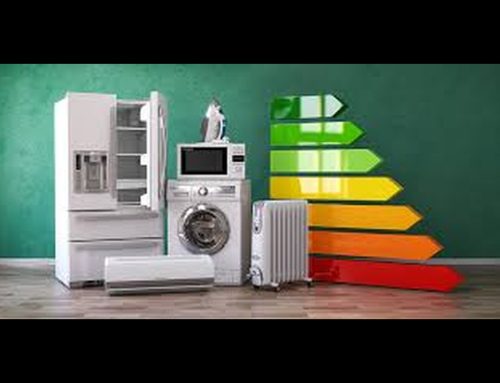
An older appliance does not just risk breaking down—it quietly inflates your utility bills every month.
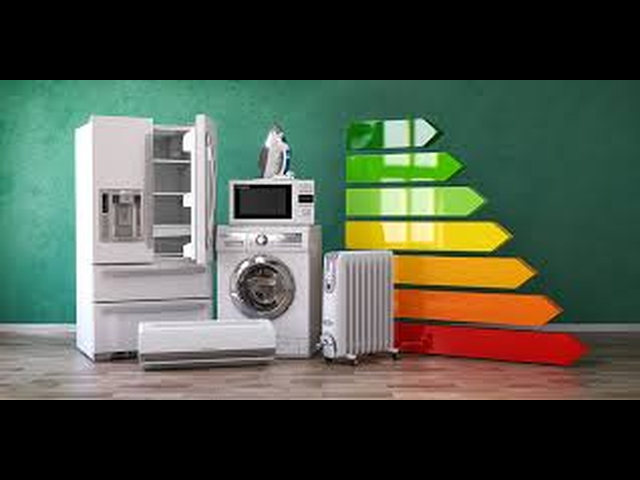
Whitegoods manufactured ten to fifteen years ago consume significantly more electricity and water than modern energy-rated models. Upgrading from an older, inefficient refrigerator to an inverter-driven four-star unit can yield noticeable annual savings on household power bills. Similarly, modern front-load washing machines and sensor dishwashers use a fraction of the water demanded by early-2000s models.
When calculating the cost of a replacement, factor in the recurring utility savings a high-efficiency model delivers over its operational life. 
Making Your Decision
Before committing to a service call or visiting an appliance showroom, ask yourself three questions:
Is the unit still under manufacturer warranty or covered by consumer guarantees?
Has this specific appliance required more than one major repair in the past two years?
Does the machine still meet your household’s current capacity and lifestyle needs?
If the unit is relatively young and the issue is a standard mechanical part, booking a licensed repair technician is usually your fastest, most economical route. However, if your appliance is past its prime, running inefficiently, and demanding expensive proprietary electronics or motor repairs, retiring it in favor of a modern, warrantied replacement is the smartest financial decision you can make.
Click Here for access to the blog page for more helpful hints and advise, for all home appliances and Wiser and Pixie technology.
Click Here to book an appointment to get all your home appliances repaired, serviced or new appliances installed, or Wiser and Pixie devices added to your Smart Home.